


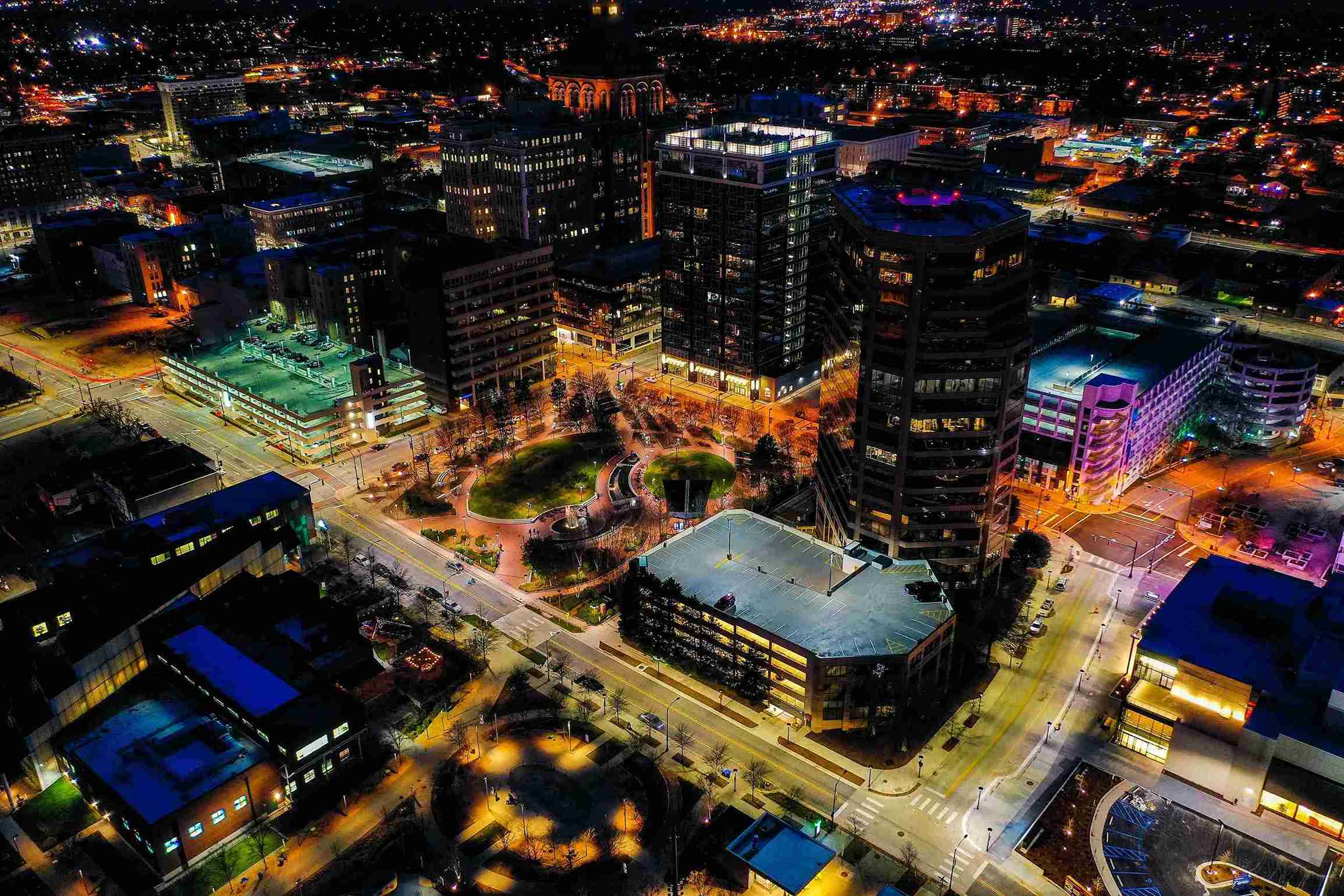
Cash flow real estate markets are attracting more attention from investors who want rental income alongside long term property growth. While appreciation remains important, properties that generate reliable monthly income can provide greater financial stability. Therefore, investors are increasingly looking beyond expensive housing markets and considering cities where rental demand, employment growth, and property prices create stronger investment opportunities.
As a result, investors are looking beyond the most expensive housing markets and exploring locations where rental demand and purchase prices create better opportunities. The best cash flow cities often combine affordable housing, strong employment, population growth, and steady demand for rental properties.
However, a city can look attractive on paper while individual neighborhoods perform very differently. Therefore, investors should always research the local market before purchasing.
What Makes Cash Flow Real Estate Markets Attractive?
A strong cash flow market usually has a healthy balance between property prices and rental income.
Several factors can make a city attractive to rental property investors:
- Affordable property prices
- Strong rental demand
- Growing employment opportunities
- Population growth
- Low or manageable vacancy rates
- Diverse local economies
- Favorable long term development trends
In addition, markets with expanding infrastructure and new businesses can create opportunities for future rental demand.
Population growth is also an important factor when evaluating a rental market. Recent data from the U.S. Census Bureau shows that many U.S. metropolitan areas continued to experience population growth, although the pace varied by market. Investors can review the latest population estimates when comparing potential investment locations. U.S. Census Bureau population estimates
Investors should also remember that cash flow depends on the individual property. Therefore, a promising city does not automatically mean every property will produce positive returns.
Cash Flow Real Estate Markets in Dallas Fort Worth
Dallas Fort Worth continues to attract investors because of its expanding economy and population.
The region benefits from:
- Corporate relocations
- Strong employment opportunities
- Population growth
- Expanding suburbs
- Major transportation infrastructure
- High demand for rental housing
In addition, communities surrounding Dallas Fort Worth continue to experience residential and commercial development.
Investors should compare purchase prices, rental rates, property taxes, insurance, and operating expenses before choosing a specific property.
Dallas Fort Worth remains particularly interesting because population growth has continued across the wider metro area. According to the U.S. Census Bureau, the Dallas Fort Worth Arlington metro area reached about 8.5 million residents in 2025, representing an 11% increase from 2020.
For more information about investing in the region, read our article on investing in Dallas suburbs in 2026.
Cash Flow Real Estate Markets in San Antonio
San Antonio remains attractive to investors who want access to a large Texas market without the same purchase prices found in some parts of the Dallas Fort Worth area.
The city has several sources of economic activity, including healthcare, military employment, tourism, education, and other industries.
As a result, rental demand remains important across many neighborhoods.
Furthermore, relatively accessible home prices can create opportunities for investors seeking properties with stronger rent to price ratios. Still, investors should carefully evaluate taxes, insurance, maintenance, and vacancy costs.
Indianapolis, Indiana: A Strong Cash Flow Market
Indianapolis continues to attract investors because of its combination of affordability and rental demand.
The city has a diverse economy supported by healthcare, logistics, manufacturing, education, and professional services.
More importantly, lower property prices can make it easier for investors to enter the market without requiring the same level of capital needed in more expensive cities.
For example, an investor may find opportunities in established neighborhoods where rental demand remains consistent and purchase prices are relatively manageable.
Kansas City, Missouri: Affordable Cash Flow Potential
Kansas City offers another opportunity for investors searching for markets where housing remains comparatively affordable.
The region benefits from employment in logistics, healthcare, manufacturing, technology, and professional services.
In addition, ongoing development and population growth in selected areas can support future rental demand.
However, investors should avoid looking at citywide averages alone. Neighborhood level research is essential because rental demand, property taxes, vacancy rates, and appreciation can vary significantly from one area to another.
Jacksonville, Florida: Growing Rental Demand
Jacksonville has attracted attention from investors because of population growth, employment expansion, and demand for rental housing.
The city also benefits from industries such as logistics, healthcare, finance, and military operations.
Meanwhile, continued migration into Florida has supported housing demand in many markets.
However, investors should pay close attention to insurance costs and property taxes. These expenses can significantly affect rental cash flow and should always be included in the investment analysis.
Oklahoma City, Oklahoma: An Affordable Investment Market
Oklahoma City remains appealing to investors who prioritize affordability.
Lower purchase prices can create opportunities for investors seeking positive monthly cash flow. The city also has employment across energy, aviation, healthcare, manufacturing, and other industries.
In fact, affordability can be especially important for investors entering real estate for the first time.
Nevertheless, investors should still analyze each property individually. A low purchase price does not automatically make a property a good investment.
Why Local Research Matters in Cash Flow Real Estate Markets
Even within the best cash flow cities, investment performance can vary considerably between neighborhoods.
Before buying, research:
- Average rental rates
- Vacancy rates
- Property taxes
- Insurance costs
- Employment growth
- Population trends
- School districts
- Crime trends
- Planned infrastructure
- New housing construction
Furthermore, speak with local real estate professionals and property managers when possible. Their experience can provide useful insight into tenant demand and neighborhood conditions.
How to Calculate Cash Flow Before Buying
Before purchasing a rental property, calculate expected income and every major expense.
Start with the expected monthly rental income. Then subtract expenses such as:
- Mortgage payments
- Property taxes
- Insurance
- Maintenance
- Property management
- Vacancy allowance
- HOA fees
- Capital expenditure reserves
The remaining amount represents estimated monthly cash flow.
For a deeper look at evaluating investment opportunities, read our guide on how to analyze a U.S. real estate investment deal.
Most importantly, use realistic numbers rather than assuming the highest possible rent or the lowest possible expenses.
Common Mistakes Investors Make
Investors can lose money even in attractive markets when they overlook important details.
Common mistakes include:
- Buying based on emotion
- Overestimating rental income
- Ignoring property taxes
- Underestimating insurance costs
- Forgetting maintenance expenses
- Focusing only on appreciation
- Skipping neighborhood research
- Overpaying for a property
Therefore, investors should evaluate every opportunity using conservative assumptions.
Building a Long Term Cash Flow Portfolio
Building wealth through rental properties usually requires patience.
Successful investors often focus on acquiring quality properties, maintaining positive cash flow, and holding assets for the long term.
Over time, rental income can help cover expenses while mortgage payments gradually build equity.
In addition, investors can potentially reinvest profits into additional properties and gradually expand their portfolios.
However, portfolio growth should remain aligned with the investor’s financing capacity and risk tolerance.
Final Thoughts
The best cash flow cities in 2026 are not necessarily the markets with the highest property appreciation. Instead, they are markets where investors can find a healthy relationship between purchase prices, rental income, operating expenses, and long term demand.
Dallas Fort Worth, San Antonio, Indianapolis, Kansas City, Jacksonville, and Oklahoma City each offer different opportunities. However, the right choice ultimately depends on the specific property and the investor’s financial goals.
Therefore, research the local market, calculate the numbers carefully, and avoid making investment decisions based solely on market excitement.
Key Takeaways
- Cash flow should be evaluated at the property level.
- Affordable markets can offer attractive rental opportunities.
- Strong employment and population growth can support rental demand.
- Taxes, insurance, maintenance, and vacancies must be included in calculations.
- Local neighborhood research is essential.
- Long term success requires careful buying and disciplined portfolio management.
