


Knowing what to do after buying an investment property in Dallas is just as important as finding the right deal. Many investors focus heavily on acquisition but underestimate the systems required for long term success.
Dallas remains one of the most attractive real estate markets in the country, supported by population growth, job expansion, and steady housing demand. Yet strong fundamentals alone do not guarantee performance. Execution does.
Investors who establish clear operational processes early tend to reduce risk, protect cash flow, and improve long term returns. If you are still refining your acquisition strategy, our guide on Profitable Investment Deals in Dallas Real Estate 2026 explains how disciplined sourcing leads to stronger assets.
This article outlines seven essential actions every investor should take after purchasing an investment property in Dallas.
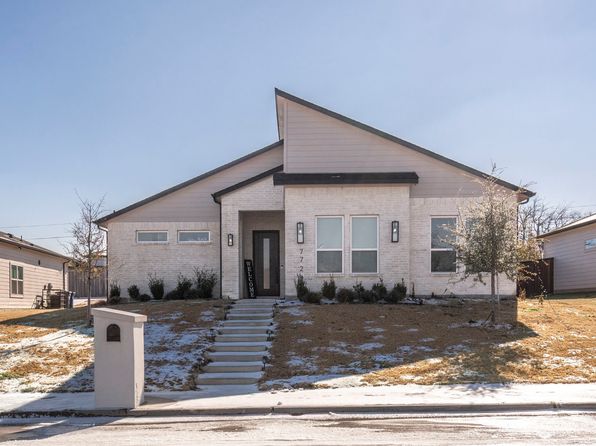
Action 1 Get Your Property Set Up for Success
Conduct a Walk Through and System Audit
Before tenants move in, perform a detailed walk through. Test HVAC systems, plumbing, electrical components, appliances, and safety devices.
Addressing issues early prevents expensive emergency repairs later.
Change Locks and Access Control
Always change locks immediately after closing. Even if the seller provides keys, you cannot verify who still has access.
Smart locks can simplify future tenant transitions.
Check Utilities and Service Accounts
Transfer utilities into your name without delay. Confirm trash, water, and other municipal services are active.
Service gaps create unnecessary friction.
Action 2 Set Up Professional Property Management
Decide Between Self Management and Hiring
Self management offers control but requires time and operational discipline. Professional management reduces workload and often improves tenant retention.
Choose the approach that aligns with your availability and scale.
What to Look For in Management
Strong property managers provide:
- Transparent reporting
- Efficient maintenance coordination
- Clear communication
- Knowledge of local regulations
Local expertise matters in a diverse metro like Dallas.
Key Contract Terms
Review fee structures, termination clauses, and maintenance thresholds carefully. Clarity prevents disputes later.
Investors evaluating long term rental performance may also benefit from How to Get Started With Investing in Dallas Rental Properties, which outlines strategy alignment before operational setup.
Action 3 Review and Optimize Your Insurance
Confirm Policy Coverage
Standard homeowner policies typically do not provide adequate protection for rental use. Confirm that your policy reflects the property’s investment status.
Adjust for Rental Use
Landlord insurance often includes liability protection, loss of rent coverage, and structural safeguards.
The Insurance Information Institute offers helpful guidance on rental property coverage.
https://www.iii.org
Shop Competitive Quotes
Insurance premiums vary widely. Comparing providers can produce meaningful savings over time.
Dallas and DFW Climate Considerations
North Texas weather includes hail, severe storms, and extreme heat. Ensure your coverage reflects regional risk.
Climate resilience protects long term returns.
Action 4 Establish a Tenant Screening and Leasing Process
Create Screening Criteria
Define minimum credit scores, income thresholds, and rental history requirements. Consistency reduces bias and strengthens tenant quality.
Legal and Compliance
Follow federal Fair Housing guidelines when screening applicants. Equal treatment is not optional.
The U.S. Department of Housing and Urban Development provides detailed compliance resources.
https://www.hud.gov
Lease Addendums
Dallas landlords often include addendums covering maintenance responsibilities, pet policies, and renewal terms.
Clear leases prevent misunderstandings.

Action 5 Set Up Financial Systems, Reporting, and Tax Strategy
Open Dedicated Accounts
Separate personal and investment finances immediately. Dedicated accounts simplify reporting and protect liability boundaries.
Choose Accounting Tools
Use software that tracks income, expenses, and maintenance costs automatically. Clean records improve decision making.
Tax Planning
Rental property ownership provides potential tax advantages, but structure matters.
Consult a qualified tax professional to align deductions with your investment strategy.
Action 6 Budget and Schedule Preventive Maintenance
Create a Maintenance Reserve
Set aside funds for unexpected repairs. Many investors reserve one to three percent of property value annually.
Prepared investors avoid financial stress.
Schedule Routine Services
Preventive care extends asset life. Schedule HVAC servicing, roof inspections, pest control, and gutter cleaning.
Small costs now prevent large costs later.
Build Vendor Relationships
Reliable contractors are invaluable during urgent repairs. Establish relationships before emergencies occur.
Action 7 Review Neighborhood and Market Signals Continually
Watch Rent Trends
Monitor comparable rents regularly. Staying informed helps you price units competitively while protecting yield.
Check Occupancy and Supply Metrics
New construction can influence vacancy rates. Tracking supply allows investors to anticipate shifts rather than react to them.
Monitor Dallas Submarket Macroeconomics
Dallas is not a single market. Employment hubs, infrastructure projects, and migration patterns affect neighborhoods differently.
Our analysis of Top Dallas Neighborhoods to Watch in 2026 highlights areas positioned for continued growth.
Evaluate Mid Term Strategy
Revisit your strategy annually. Decide whether to hold, refinance, renovate, or expand.
Adaptability is a competitive advantage.
Conclusion
Understanding what to do after buying an investment property in Dallas transforms a purchase into a performing asset. Investors who prioritize operational setup, financial discipline, and proactive maintenance position themselves for stronger long term returns.
Dallas continues to offer compelling investment fundamentals, but results depend on execution rather than market momentum alone.
Prepared investors do not simply acquire property. They build systems that allow their assets to perform consistently over time.
