


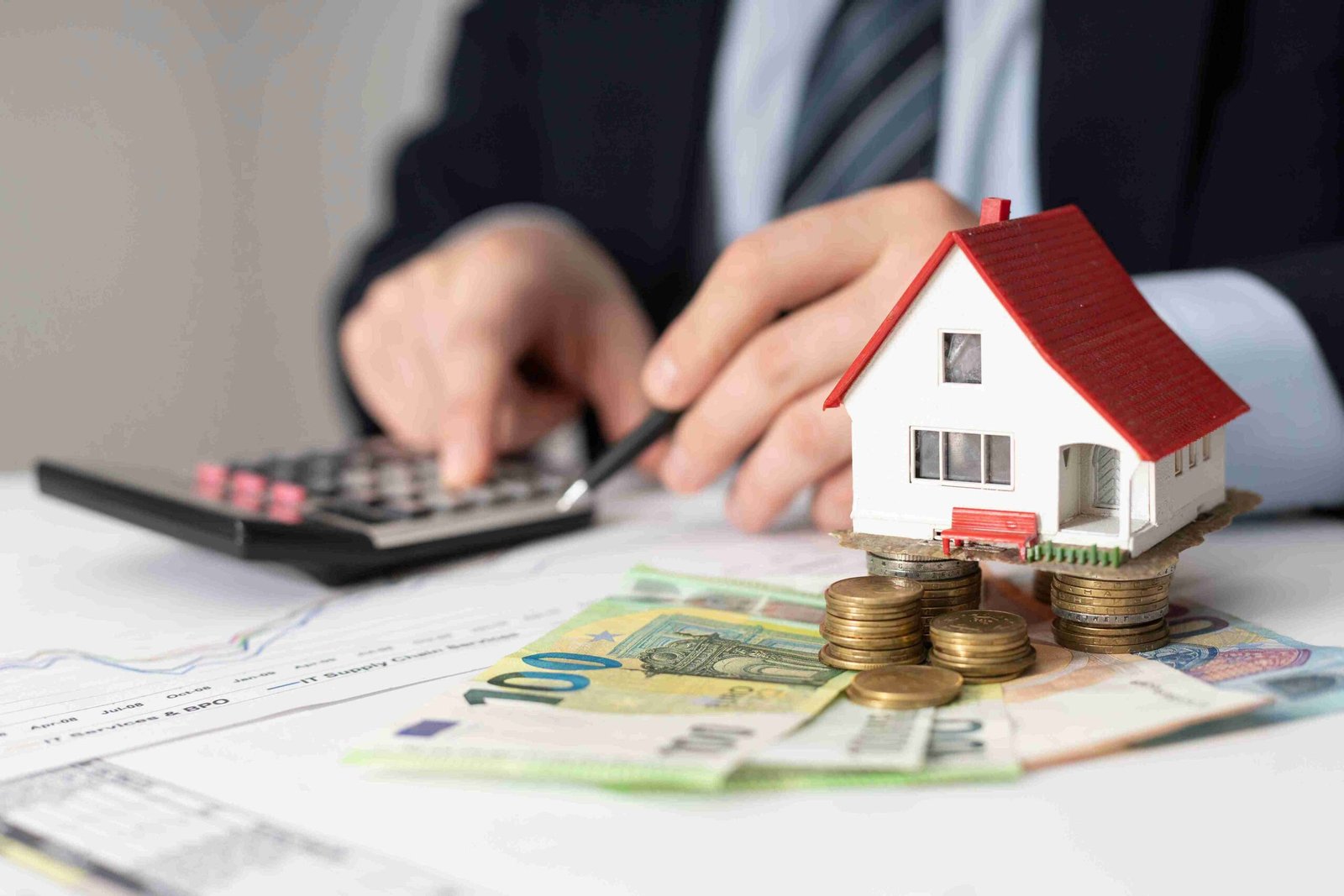
Understanding the true cost of owning a home means looking beyond the mortgage payment. The amount you see on a mortgage estimate may cover principal and interest, and it may also include taxes, insurance or mortgage insurance, depending on your loan. But other costs of owning and maintaining the property can still affect your monthly budget.
Property taxes, homeowners insurance, HOA fees, utilities, maintenance and repairs can add significantly to your housing expenses. You may also have to budget for closing costs, moving expenses, furniture, renovations and unexpected repairs after you receive the keys.
The Consumer Financial Protection Bureau recommends considering expenses such as property taxes, homeowners insurance, HOA fees, maintenance and repairs when determining how much home you can comfortably afford.
That is why buyers should calculate the complete cost of homeownership instead of looking only at the mortgage payment.
A home may fit your budget on paper but feel very different financially once all the additional costs are included. Understanding these expenses before you make an offer can help you create a more realistic housing budget and avoid unpleasant financial surprises later.
The Costs Beyond Your Mortgage
Property Taxes
Property taxes are one of the most important expenses to include when calculating the true cost of owning a home. Homeowners generally pay property taxes to the local government, which uses the revenue to fund public services and infrastructure. The amount a homeowner pays can vary considerably depending on the property’s location, assessed value and local tax rules.
Two homes with similar purchase prices can have very different property tax bills because they are located in different states, counties or cities. Property taxes can also change over time. A homeowner should therefore avoid assuming that the current tax bill will remain exactly the same throughout the entire period of ownership. If property taxes are included in an escrow account, you may see part of the expense included in your monthly mortgage payment. If your lender does not collect these taxes through escrow, you may need to pay the government directly when the bill is due. Before buying, ask for the property’s current tax information and find out whether the amount could change after the purchase.
Homeowners Insurance
Homeowners insurance is another cost that can easily be overlooked when buyers focus on the mortgage. Insurance generally protects against certain losses or damage to the property, depending on the policy. Mortgage lenders commonly require homeowners’ insurance because they want the property securing the loan to be adequately protected.
The cost can depend on several factors, including the home’s location, value, construction, property type and the coverage selected. Risk factors in the area can also affect insurance costs. Depending on the location, homeowners may need to consider additional coverage for certain risks that are not included in a standard policy. Insurance is often paid through an escrow account alongside property taxes. This can make the expense less noticeable because it becomes part of the monthly mortgage payment.
However, the cost can change. The CFPB notes that property taxes and insurance premiums can change from year to year, which means the escrow portion of a mortgage payment can also change. When calculating the true cost of owning a home, get an actual insurance estimate instead of relying only on the amount shown in a general affordability calculator.
HOA Fees
If you are buying a property within a homeowner’s association, or HOA, there may be another recurring expense to consider. An HOA is an organization responsible for managing certain aspects of a residential community. Depending on the community, HOA fees may contribute toward landscaping, shared facilities, community amenities, common areas and other services.
The amount varies from one community to another. Some homeowners pay monthly dues while others may pay quarterly or annually. The fee may also change over time. There is another expense buyers should understand before purchasing: special assessments. An HOA may sometimes require homeowners to contribute additional money toward a major project or unexpected expense. The rules and circumstances vary by association, so buyers should review the HOA documents and financial information carefully.
Do not simply ask, “How much is the HOA fee?” Ask what the fee covers, whether increases are expected, whether there have been recent special assessments and whether major community projects are planned. The HOA fee may look small compared with the mortgage, but it still forms part of the true cost of owning a home.
Maintenance and Repairs
Renters often contact their landlord when something major breaks. Homeowners do not have that option. When you own the property, you are generally responsible for maintaining it and paying for repairs. That could mean replacing an air conditioning system, repairing plumbing, fixing electrical problems, replacing damaged roofing or dealing with an appliance that suddenly stops working. Even routine maintenance costs money.
A homeowner may need to budget for landscaping, servicing major systems, cleaning gutters, maintaining exterior surfaces and carrying out other work needed to keep the property in good condition. Some expenses are predictable. Others are not. A roof may last for many years, but eventually it will need attention. An HVAC system may work perfectly today but eventually require repair or replacement. This is why a maintenance and emergency repair fund can be so important. The CFPB also advises homeowners to adjust to their new budget after closing and consider setting aside money for home repairs. A home does not stop costing money simply because the mortgage payment is being made.
Utilities
Utilities are another recurring expense that buyers sometimes underestimate. Depending on the property, homeowners may pay for:
Electricity
Water
Gas
Internet
Trash services
Other local utility services
The size and condition of the home can make a significant difference.
A larger property may require more electricity for heating and cooling. A home with an older HVAC system may also consume more energy than a newer, more efficient property. Before buying, try to get realistic information about the home’s previous utility costs where possible. This can give you a better idea of what your monthly budget may look like once you move in.
The Costs Buyers Often Forget
Closing Costs
The money required to buy a home is not limited to the down payment. Buyers may also need to pay closing costs associated with obtaining the mortgage and completing the real estate transaction. These can include loan related charges, appraisal fees, title services, government taxes and fees, prepaid interest, homeowners’ insurance and initial escrow deposits. The exact amount varies depending on the property, loan, location and transaction. This is why buyers should not use every dollar of their available savings for the down payment without considering what they will need to pay at closing and immediately afterward.
The CFPB’s Loan Estimate and Closing Disclosure can help buyers understand the costs associated with their mortgage and transaction. Before closing, review these documents carefully and ask questions about anything you do not understand.
Furniture and Moving Expenses
Getting the keys is not always the end of your spending. You may still need to pay for moving services, furniture, appliances, curtains or blinds, security equipment and other household items. A buyer who moves from a smaller apartment into a larger house may discover that many rooms need additional furniture. Even smaller expenses can add up. You may need a dining table, beds, storage furniture, light fixtures, window treatments or outdoor equipment. None of these expenses necessarily appears in the mortgage calculation. They are still part of the practical cost of moving into and maintaining your new home.
Renovations and Improvements
Many buyers purchase a home intending to make changes. Perhaps the kitchen needs updating. Maybe the flooring is outdated, the walls need painting or the backyard needs landscaping. These projects can quickly become more expensive than expected. A buyer may initially budget for a simple renovation only to discover that additional electrical, plumbing or structural work is required.
This is particularly important when purchasing an older property. Before committing to major improvements, get realistic estimates and understand what the project could involve. It is also worth separating necessary repairs from cosmetic improvements. A leaking roof is a different financial priority from replacing perfectly functional kitchen cabinets because you prefer another style. Keeping that distinction clear can help prevent a new homeowner from spending too much too soon.
Opportunity Cost
There is also a financial cost that does not appear on a mortgage statement: opportunity cost. Money used for a home cannot be used for something else at the same time. A large down payment may reduce the amount borrowed, but it also means less cash available for emergency savings, retirement contributions, investments, education or business opportunities. This does not mean buying a home is the wrong use of your money. It means the decision should be considered within your broader financial situation. A home should not leave you with no financial flexibility simply because you wanted to reach a particular down payment target. Consider what your finances will look like after the purchase, not only on the day you close.
The Long Term True Cost of Owning a Home
The true cost of owning a home becomes even clearer when you look beyond the first year. Some expenses continue throughout ownership. Property taxes need to be paid. Insurance needs to be renewed. Utilities continue every month. Maintenance never completely disappears. Major systems eventually reach the end of their useful lives.
A homeowner may eventually need to replace a roof, HVAC system, water heater, major appliance, driveway or other expensive component of the property. This is why the purchase price should not be treated as the total cost of homeownership. A house is a long-term financial commitment, and the costs of maintaining it can continue for decades. Your financial plan should account for both regular expenses and larger future costs.
Calculate the True Monthly Cost of Owning a Home
One of the simplest ways to understand the true cost of owning a home is to create a realistic monthly estimate.
Consider this hypothetical example:
Mortgage principal and interest: $2,000
Property taxes: $350
Homeowners insurance: $150
HOA fees: $100
Utilities: $250
Maintenance reserve: $250
Estimated true monthly housing cost: $3,100
In this example, the buyer’s $2,000 mortgage payment does not represent the full monthly housing cost.
The additional expenses add another $1,100 to the monthly budget.
The figures are hypothetical. Actual costs vary by property, location, loan terms, insurance coverage, taxes, HOA requirements and household usage.
The purpose of this calculation is simple: look at the complete monthly cost before deciding whether a home fits your budget.
Your calculation can follow this formula:
Mortgage principal and interest + property taxes + homeowners insurance + HOA fees + utilities + maintenance reserve = estimated true monthly housing cost
You may also need to include mortgage insurance, depending on your loan and down payment.
The Consumer Financial Protection Bureau recommends looking beyond principal and interest when evaluating mortgage affordability. Learn more about mortgage payments and other housing costs.
Common Mistakes Buyers Should Avoid
Looking Only at the Mortgage Payment
A mortgage payment is important, but it is only one part of the ownership budget. Always calculate the other recurring expenses before deciding how much home you can afford.
Forgetting Property Taxes
Do not assume property taxes are insignificant simply because they are not part of the principal and interest figure. Find out the current tax amount and understand how taxes work in the location where you plan to buy.
Underestimating Insurance
Get an insurance quote before making your final affordability decision. The estimate you receive can be very different from what you initially expected.
Ignoring HOA Fees
If the property is governed by an HOA, understand the current dues and what they cover. Also review the association’s rules and financial information for potential future assessments.
Spending All Your Savings on the Down Payment
Getting into the home is only the beginning. You still need money for closing, moving, repairs and unexpected expenses. Keeping an emergency fund can provide valuable financial breathing room after the purchase.
Not Budgeting for Repairs
Even a well maintained property will eventually need repairs. Do not assume that every major expense will wait until you are financially prepared for it.
Assuming a New Home Has No Maintenance Costs
New construction may come with warranties, but that does not mean ownership has no ongoing expenses. Homes still require routine care, maintenance and eventual replacement of systems and components.
Buying More House Than You Can Comfortably Afford
A lender’s approval amount is not necessarily the same as the amount you should spend. Your personal budget may need to account for expenses that a basic mortgage qualification calculation does not fully capture. The better question is not simply, “How much can I borrow?” It is, “How much can I comfortably own?”
Before You Buy Checklist
Before making an offer, consider the following:
Get mortgage pre approved.
Understand the loan amount, interest rate, estimated payment and other loan costs.
Estimate property taxes.
Look at the property’s current tax bill and understand whether the amount could change.
Get an insurance quote.
Use an actual estimate for the property rather than relying on a general assumption.
Check HOA fees.
Find out the current fee, what it covers and whether special assessments or increases may apply.
Estimate utilities.
Ask about previous utility costs where possible and consider the size and condition of the home.
Budget for maintenance.
Set aside money regularly for routine maintenance and future repairs.
Research potential repairs.
Pay close attention to the age and condition of the roof, HVAC system, plumbing, electrical system and appliances.
Calculate closing costs.
Review the Loan Estimate and other transaction costs before deciding how much cash you can commit to the purchase.
Keep emergency savings.
Do not allow the home purchase to consume every dollar of available cash.
Calculate the total monthly cost.
Add the mortgage, taxes, insurance, HOA, utilities and maintenance reserve together.
For more guidance on the broader home buying journey, RealEstateTalks.org also has a detailed guide covering the Home Buying Process: From Offer to Closing.
Final Takeaway
The mortgage payment is not the full cost of owning a home. The true cost of owning a home includes the expenses that appear on your mortgage statement and the expenses that do not. Property taxes, homeowners’ insurance, HOA fees, utilities, maintenance and repairs can significantly increase the amount you spend on your home each month. Then there are the expenses that happen around the purchase, including closing costs, moving, furniture and improvements.
Thinking about these costs before buying can help you create a more realistic housing budget. It can also help you avoid one of the most common mistakes in home buying: purchasing a property based on what you can technically qualify for rather than what you can comfortably maintain. The goal is not to buy the most expensive home a lender will approve. The goal is to buy a home that fits your finances today while leaving enough room for the costs, surprises and responsibilities that come with owning it.
