


Buying your first home is an incredible journey filled with excitement and big decisions. But, let’s be honest, it can feel overwhelming if you’re unsure of where to start. The good news? With the right information, you can navigate the process smoothly and make choices that work for your future. Here’s what you need to know to confidently buy your first home.
Know Your Motivation for Buying

Before jumping into the home-buying process, ask yourself why you’re buying a house. Are you tired of renting and want to invest in property? Or are you looking to settle down and raise a family? Clarifying your motivation will keep you focused and help you make decisions that align with your long-term goals. Remember, homeownership is a major commitment, and understanding your “why” can guide you through the ups and downs.
Assess Your Financial Readiness
Homeownership requires a strong financial foundation. Check your savings, income, and overall financial health. Do you have an emergency fund that could cover three to six months of living expenses? If not, you may need to save more before diving in. Also, think about your job stability and future expenses to ensure you’re ready for this major life change.
Improve Your Credit Score
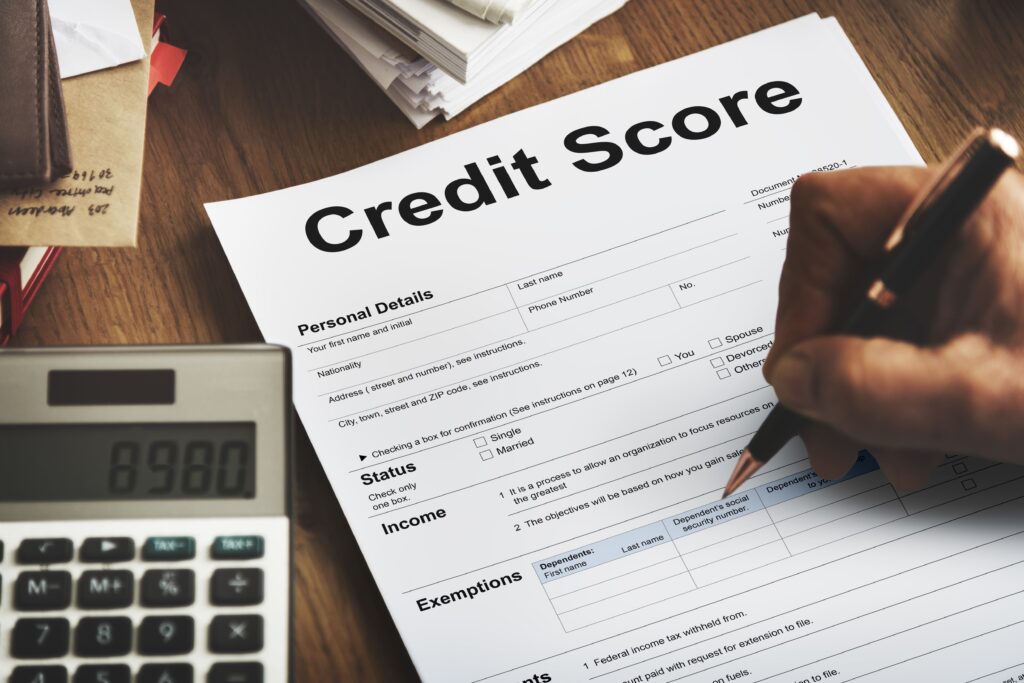
Your credit score plays a significant role in getting approved for a mortgage and securing a favorable interest rate. Lenders use this number to evaluate your financial reliability. A higher score can save you thousands of dollars over the life of your loan. Take some time to review your credit report, correct any errors, and focus on paying off debts to boost your score.
Understand Your Debt-to-Income Ratio
Lenders look at your debt-to-income (DTI) ratio to gauge how much you can afford to borrow. A lower DTI shows lenders you can manage your monthly expenses and still take on a mortgage. Ideally, your DTI should be below 36%. If you’re carrying too much debt, consider paying it down before applying for a mortgage. This will improve your chances of getting approved and getting a better interest rate.
Budget for More Than Just Your Mortgage
One of the biggest mistakes first-time buyers make is underestimating the cost of homeownership. Beyond your monthly mortgage payments, you’ll have to budget for property taxes, homeowners insurance, maintenance, and possibly homeowners association (HOA) fees. Calculate a monthly budget that includes all these expenses to see if homeownership truly fits your lifestyle and financial goals.
Start Saving for Upfront Costs

Upfront costs go beyond just the down payment. There are also closing costs, which range from 2% to 5% of the home’s purchase price, as well as moving expenses and potential home improvements. The more you save now, the less stressful these expenses will feel later. It’s better to be overprepared than caught off guard.
Explore Different Financing Options
Mortgages aren’t one-size-fits-all. Different types of loans, such as conventional loans, FHA loans, and VA loans, come with various requirements and benefits. Research your options or speak with a mortgage advisor to find out what works best for you. Consider factors like interest rates, down payment requirements, and the overall terms of the loan.
Determine How Much House You Can Afford
With your finances and loan options in mind, figure out your price range. Use online mortgage calculators to estimate how much you can afford. While it might be tempting to max out your budget, remember that buying at the top of your range leaves little wiggle room for unexpected costs. Be conservative to avoid financial strain.
Get Pre-Approved for a Mortgage
Once you know your price range, it’s time to get pre-approved for a loan. This shows sellers you’re a serious buyer and helps speed up the buying process. To get pre-approved, you’ll need to provide documentation like proof of income, tax returns, and a list of your debts and assets. A pre-approval letter can also give you a clearer idea of what you can afford.
Work with a Real Estate Agent and Start House Hunting
A good real estate agent can make a world of difference. They’ll help you find homes that match your criteria, negotiate offers, and guide you through the complex paperwork. When you find a home you like, don’t rush! Take your time to evaluate the property, visit it at different times of the day, and consider how it fits into your long-term goals.
Make a Strong Offer and Prepare for Inspections
Once you’re ready to make an offer, your agent will help you craft a competitive one. After the offer is accepted, schedule a home inspection to uncover any potential issues. If the inspector finds significant problems, you can renegotiate the price or ask the seller to make repairs. This step is crucial to ensure you’re not buying a money pit.
Closing the Deal and Getting the Keys

The final step is to complete your mortgage application and prepare for closing day. Be sure to review all documents carefully and don’t hesitate to ask questions if something isn’t clear. Once everything is signed, and the fees are paid, you’ll get the keys to your new home. Congratulations—you’ve officially become a homeowner!
Buying your first home is a big step. With the right preparation and support, it can be a rewarding experience. Take things one step at a time, and soon you’ll be settling into a place you can call your own. Happy house hunting!

1 Comment
superb post.Never knew this, regards for letting me know.