


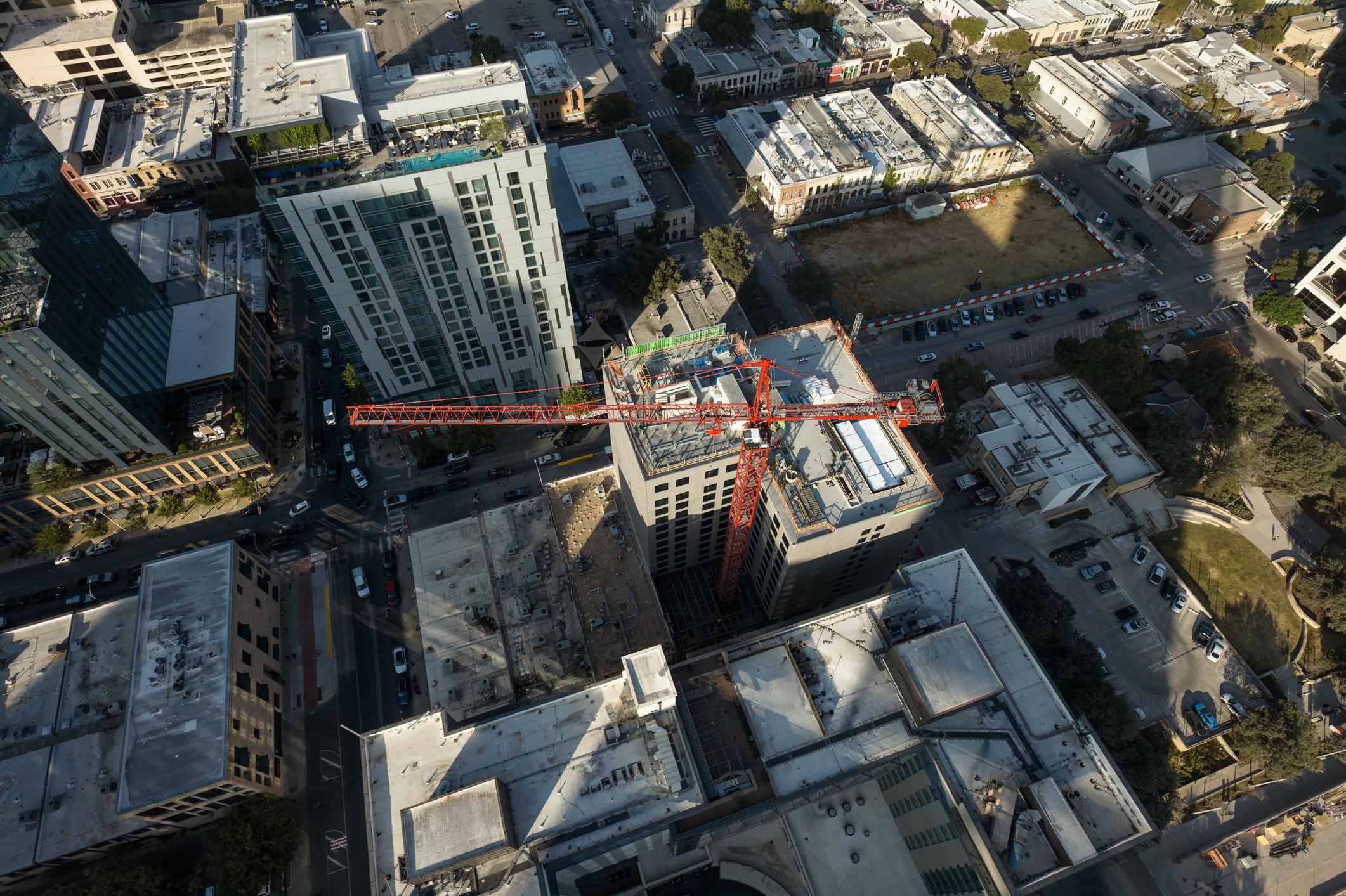
High growth cities across the United States continue to attract buyers and investors. Strong job markets, population migration, and business expansion are driving housing demand in cities like Dallas, Austin, Miami, and Nashville.
While growth creates opportunity, it also introduces new risks. Buyers who enter fast growing markets without proper analysis may face unexpected costs, reduced returns, or long term challenges.
Understanding the problems with buying property in high growth U.S. cities allows investors to make smarter decisions and avoid costly mistakes. Successful investors do not avoid growth markets. They approach them with discipline and strategy.
Investors evaluating high growth opportunities often begin with structured analysis, as explained in How to Analyze a Dallas Real Estate Deal in One Hour or Less, which outlines how disciplined evaluation improves decision quality.
Overpaying Due to Hype and Competition
One of the most common risks in high growth markets is overpaying. Rapid population growth attracts investor attention, which increases competition and pushes prices higher.
Multiple offer situations can create urgency. Buyers may feel pressure to act quickly and bid above market value.
When buyers overpay, cash flow declines and appreciation potential becomes limited. The investment must rely on continued market growth to remain profitable.
Disciplined investors rely on data, not emotion. Comparing recent comparable sales, rental income, and long term neighborhood fundamentals helps prevent overpaying.
This is especially important in fast growing metros like Dallas, where strong demand can create both opportunity and risk, as discussed in Profitable Investment Deals in Dallas Real Estate 2026.
Rising Property Taxes and Insurance Costs
Property taxes and insurance costs tend to increase in high growth markets. As home values rise, tax assessments often follow.
Higher property taxes directly reduce cash flow and increase ownership costs.
Insurance premiums are also rising in many regions due to climate risks, rebuilding costs, and regional weather patterns.
According to the Insurance Information Institute, property insurance premiums have increased nationwide due to inflation and environmental risks.
https://www.iii.org
Buyers must include these costs in their analysis. Ignoring future cost increases can significantly affect long term returns.
Infrastructure Strain and Overdevelopment
Rapid population growth can strain local infrastructure. Roads, utilities, schools, and public services may struggle to keep pace with expansion.
Overdevelopment can also increase housing supply faster than demand in certain submarkets.
When supply increases too quickly, property values and rental rates may stabilize or decline temporarily.
Buyers should evaluate infrastructure investment and long term city planning before investing.
Cities with strong economic foundations and infrastructure planning tend to perform better over time.
Market Volatility and Cyclical Corrections
Real estate markets move in cycles. High growth markets often experience periods of rapid appreciation followed by slower growth or temporary corrections.
Market corrections are normal and part of healthy market cycles.
The Federal Housing Finance Agency tracks long term housing trends and confirms that while short term volatility occurs, long term growth remains consistent.
https://www.fhfa.gov
Investors who buy based solely on short term trends may face short term price corrections.
Investors who focus on long term fundamentals tend to perform better.
Understanding real estate cycles helps investors make informed decisions, as explained in Real Estate Market Cycles: When Is the Best Time to Invest.
Limited Cash Flow in High Cost Markets
High growth markets often experience rapid price appreciation. However, rental income may not increase at the same pace as property values.
This creates lower cash flow relative to property cost.
When purchase prices rise faster than rental income, returns decline.
Investors seeking cash flow must analyze rent to price ratios carefully before investing.
Markets like Dallas continue to offer balanced opportunities due to population growth and rental demand, as outlined in Dallas Real Estate Market Predictions for 2026.
Conclusion
High growth U.S. cities offer strong opportunity, but they also require careful analysis. Overpaying, rising costs, infrastructure challenges, and market cycles can affect investment performance.
Successful investors focus on long term fundamentals, disciplined analysis, and realistic financial projections.
Growth markets reward preparation. Investors who understand the risks and apply strategic decision making can still achieve strong long term returns.
Real estate remains one of the most powerful wealth building tools, but success depends on informed action, not market hype.
