


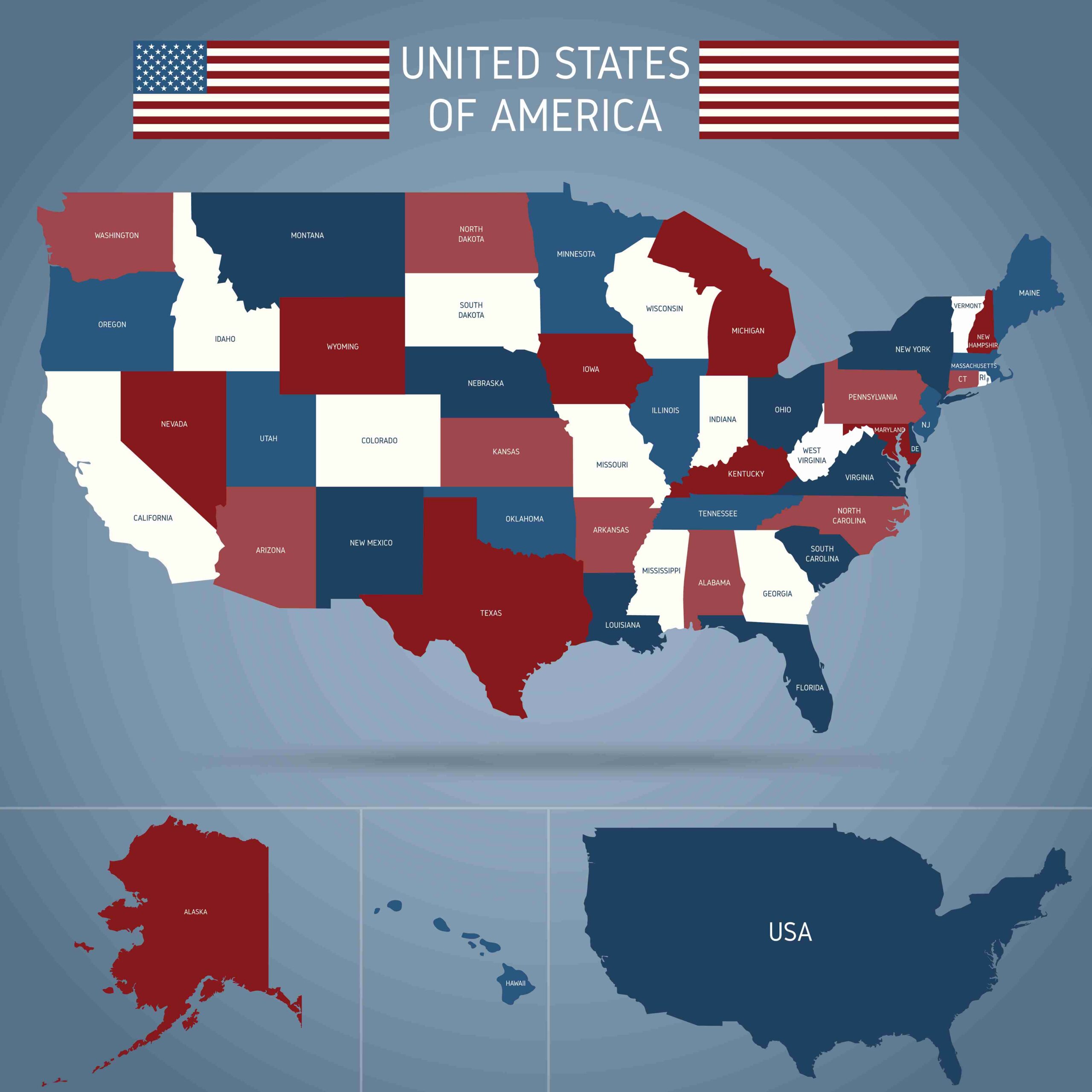
The U.S. housing landscape is entering a new phase. As affordability pressures reshape migration patterns and traditional hot spots experience fatigue, attention is shifting toward a rising category of regions known as next wave markets. These are not the usual growth corridors or headline metros. Instead, they are smaller but strategically positioned cities with strong fundamentals, untapped value, and growing momentum.
In 2026, these emerging regions are expected to play an increasingly important role in the national housing narrative. Investors, builders, and homebuyers are paying closer attention as economic spillovers, infrastructure improvements, and demographic shifts converge to create new pockets of opportunity.
Next wave markets represent the intersection of affordability, livability, and long term return potential. They offer something the overheated coastal and Sunbelt metros cannot: room to grow.
Why the Shift Toward Next Wave Markets Is Happening
Several structural trends are pushing both households and investors into markets that were once overlooked. These forces are not temporary. They reflect long term adjustments in the economy, workforce behavior, and housing supply patterns.
Affordability pressures are reaching new highs
The cost of homeownership in many major metros has become prohibitive for entry level and middle income buyers. Even in markets where prices have cooled slightly, higher mortgage rates have erased affordability gains. As a result, households are expanding their search radius and targeting secondary and tertiary metros where price to income ratios are more favorable.
Remote and hybrid work continue to influence decisions
Although the peak of remote work has passed, hybrid arrangements remain deeply embedded in workforce culture. This creates flexibility for millions of workers to live farther from job centers, favoring smaller metros with lower living costs and strong quality of life attributes.
Economic diversification is spreading beyond major hubs
Tech, healthcare, logistics, advanced manufacturing, and research based industries are expanding into regions with lower labor and operating costs. These job clusters attract talent, boost household formation, and increase local housing demand.
Infrastructure investment is reshaping connectivity
Federal and state level infrastructure projects are modernizing transportation systems, broadband access, and urban development in smaller regions. Improved connectivity makes these markets more competitive with larger metros.
Investors are seeking better yield environments
Major metropolitan markets have seen cap rates compress to historically low levels. Investors are finding more attractive returns in markets where pricing is still reasonable and competition is manageable.
Together, these drivers are shifting attention toward markets that offer affordability, sustainable demand, and strong fundamentals that can support long term growth.
What to Look For: Why These Next Wave Markets Stand Out
Next wave markets exhibit specific characteristics that position them for accelerated growth in 2026 and beyond. Understanding these attributes is essential for evaluating the strength and resilience of emerging regions.
Affordability and Value Upside
Homes in these regions are priced significantly lower than their coastal and Sunbelt counterparts, yet offer strong value appreciation potential. Buyers can enter the market with less financial strain, while investors gain exposure to markets that still have room for price appreciation.
Affordability also supports long term demographic growth, as households priced out of traditional metros search for sustainable alternatives. Markets with favorable cost structures tend to attract:
- First time homebuyers
- Young families
- Mid career professionals
- Retirees seeking lower expenses
This broad demand base supports price stability and reduces volatility.
Supply Constraints or Infrastructure Tailwinds
Next wave markets often fall into one of two categories:
Supply constrained regions
These markets have limited housing stock, creating upward pressure on prices as demand increases. The constraint may come from limited land, slow permitting, or decades of underbuilding. Although this creates challenges, it also supports long term value growth.
Infrastructure tailwind regions
These markets benefit from:
- New roadway expansions
- Transit improvements
- Airport upgrades
- Broadband investment
- Downtown redevelopment initiatives
Infrastructure upgrades can transform a market’s economic destiny by improving access, reducing commute friction, and attracting employers.
Migration and Job Growth Spill Over
Next wave markets often sit adjacent to larger economic hubs. As those hubs face affordability pressure or congestion, households and businesses spill into nearby secondary regions. This creates a long term feeder system that supports consistent population growth.
Examples include:
- Movement from New York City into upstate New York
- Spill over from Chicago into Wisconsin
- Relocation from Nashville into surrounding Tennessee metros
Job market diversification further boosts stability, especially in markets aligned with high growth industries.
Markets to Watch
The following three markets demonstrate strong potential for 2026 based on affordability, demographic trends, economic fundamentals, and infrastructure momentum.
Buffalo, New York
Buffalo has quietly become one of the most attractive value markets in the Northeast. Home prices remain significantly below national averages, yet the region benefits from proximity to major economic hubs, strong healthcare institutions, and emerging tech and research clusters.
Downtown redevelopment has gained traction, with new investments in housing, mixed use projects, and public infrastructure. The city is also experiencing an uptick in remote enabled millennial households relocating from higher cost coastal areas in search of affordability and quality of life.
Buffalo’s value narrative is supported by limited new construction and consistent demand spill over from the broader region.
Madison, Wisconsin
Madison is one of the Midwest’s most resilient small metros. Anchored by a major research university, strong healthcare systems, and growing tech and biotechnology clusters, the city has seen steady population growth.
Its combination of high educational attainment, stable employment, and lifestyle driven amenities attracts young professionals and families. Madison benefits from balanced supply pipelines and strong local planning, which reduce volatility and support sustainable long term appreciation.
The city’s expanding innovation economy positions it as a high potential market for 2026 and beyond.
Knoxville, Tennessee
Knoxville sits at the intersection of affordability, population growth, and quality of life. Its proximity to the Great Smoky Mountains, combined with a low cost of living, has attracted significant inbound migration from both coastal and Midwest metros.
The region also benefits from a diversified economic base that includes education, manufacturing, energy research, logistics, and healthcare. Knoxville’s suburban and exurban areas have seen particularly strong demand from remote workers seeking more space and outdoor amenities.
With balanced supply, a growing talent pool, and favorable tax and regulatory conditions, Knoxville is positioned as a strong next wave market for 2026.
Practical Five Point Checklist for Investors
Investors evaluating next wave markets can use the following framework to assess potential opportunities.
Entry Cost Compared to Major Metros
Price positioning relative to nearby large metros determines affordability advantage and migration appeal. The wider the gap, the stronger the potential for sustained demand.
Job Growth and Migration Indicators
Look for positive net migration, rising employment in key industries, and consistent household formation. Labor market diversity and wage growth trends are also important.
Supply Pipeline Health
Evaluate whether the market has a balanced pipeline. Too little construction leads to price spikes and affordability strain, while excessive speculative building can destabilize rents and values.
Asset Class Fit
Investors should identify which asset classes perform best locally. Some next wave markets favor:
- Build to rent communities
- Multifamily in urban cores
- Single family residential
- Value add small multifamily
- Mixed use development
Alignment between asset class and local demand improves long term returns.
Exit and Liquidity Path
Understand the market’s liquidity profile. Strong next wave markets attract both local and institutional buyers as they expand. Evaluate whether the exit timeline aligns with projected population and job growth.
Implications and Outlook
Next wave markets are poised to take on a larger role in the U.S. housing landscape over the next several years. They offer a combination of affordability, stronger value upside, healthier supply dynamics, and increasing economic relevance.
For homebuyers, these markets represent an opportunity to enter the housing market at accessible price points while still benefiting from long term appreciation. For investors, they offer attractive yield profiles, less competition from institutional capital, and strong demographic fundamentals.
For developers, next wave markets provide the land availability, regulatory flexibility, and growth potential needed to support master planned communities, mixed use districts, and affordable housing construction.
Conclusion
The shift toward next wave markets reflects the evolving realities of affordability, migration, and workforce behavior. As traditional hot spots mature and price out many households, emerging regions with strong fundamentals are stepping into the spotlight.
Buffalo, Madison, and Knoxville exemplify markets that combine value, growth potential, and long term stability. For those willing to look beyond the usual growth corridors, 2026 is shaping up to be a year of opportunity in places that are only just beginning to gain national attention.
As the housing landscape continues to change, next wave markets will play an increasingly important role in shaping the future of U.S. residential and investment trends.
